Kiwengwa Lagoon Explained
Tides, Wind Windows and Watersports Conditions
August 2026
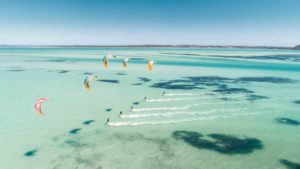
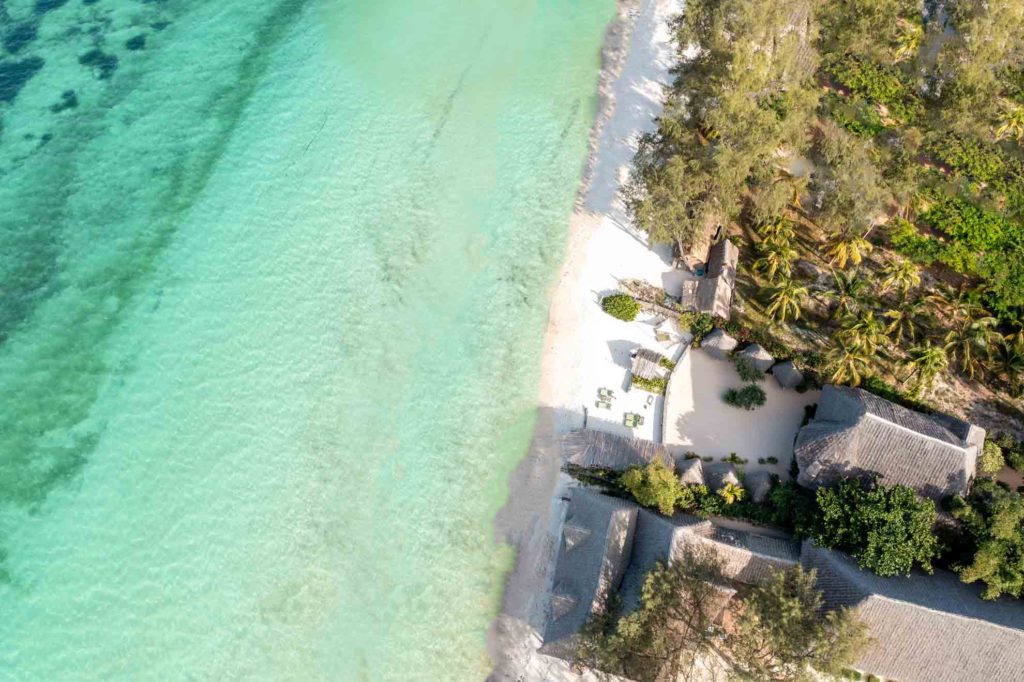
Kiwengwa lagoon is one of the reasons the east coast of Zanzibar is such a strong watersports destination. In front of Duotone Pro Center Zanzibar, the reef, lagoon, beach and deeper channels create a varied environment that changes throughout the day. The same coastline can offer shallow, pool-like water at low tide, deeper water for foiling and swimming around high tide, and different riding conditions as the wind and sea level develop.
That combination makes Kiwengwa much more than a beautiful beach. It is a natural watersports playground where the tides help shape each session and the trade winds provide the energy. With Duotone Pro Center Zanzibar directly on Kiwengwa Beach, riders can receive local guidance, choose the right equipment and make the most of the conditions as they change.
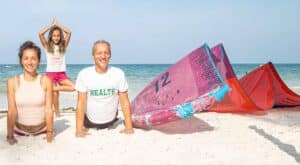
Kiwengwa is an excellent choice for a family holiday in Zanzibar because its long white-sand beach, shallow lagoon, and calm atmosphere make it especially suitable for children and mixed-age travel styles. It also gives families access to beach time, light excursions, and watersports in one area, which helps make the stay feel varied without becoming complicated.
How the Kiwengwa lagoon works
Kiwengwa is protected by an offshore reef, creating a lagoon between the beach and the open Indian Ocean. As the tide falls, water retreats across the reef flat and exposes sandbanks and shallow areas. Around high tide, the lagoon fills again, bringing deeper water closer to the beach and opening more space for swimming, foiling and sailing.
This daily change is one of the defining features of Kiwengwa. The beach can look completely different from one part of the day to another, and each tide stage offers its own advantages. Beginners often appreciate the flatter, shallower areas, while experienced riders look for deeper channels, reef edges and sections with more movement.
Low tide conditions
At low tide, Kiwengwa lagoon becomes especially shallow and sandbanks can create pool-like conditions. This is often one of the best moments for learning kitesurfing, practicing board control and enjoying flat water. The shallow environment can make the first stages of a lesson feel more manageable, particularly for riders who are still building confidence.
Low tide is also visually spectacular. The white sand stretches across the lagoon, the water becomes very clear and the reef environment is easier to understand. However, the exposed reef can include coral, rocks and sea urchins, so it is important to follow local instructions, use suitable footwear where advised and remain aware of the changing water level.
For kiteboarders, low tide can be excellent for controlled riding and freestyle practice. For swimmers, the lagoon may become too shallow in certain areas, making it a better time to walk across the sandbanks or wait for the water to return.
High tide conditions
High tide brings a very different lagoon. More water covers the reef flat, giving swimmers and riders greater depth and allowing the lagoon to feel more open. This is generally the best time for swimming, longer freeride sessions and wave access closer to te reef.
For foilers, higher water levels provide more room under the mast and make it easier to explore the deeper channels. Windsurfers and wingfoilers can also benefit from the additional depth, particularly when launching, turning and moving between the beach and reef areas.
At high tide, the water may become slightly more textured and the reef edge can produce more wave movement. This creates a different kind of session, with more space for freeriding and a stronger connection to the open ocean.
The deep water channel
One of the important features of the Kiwengwa spot is the natural deeper channel running parallel to the beach. This channel helps maintain usable water for foiling even when other areas of the lagoon become very shallow at low tide.
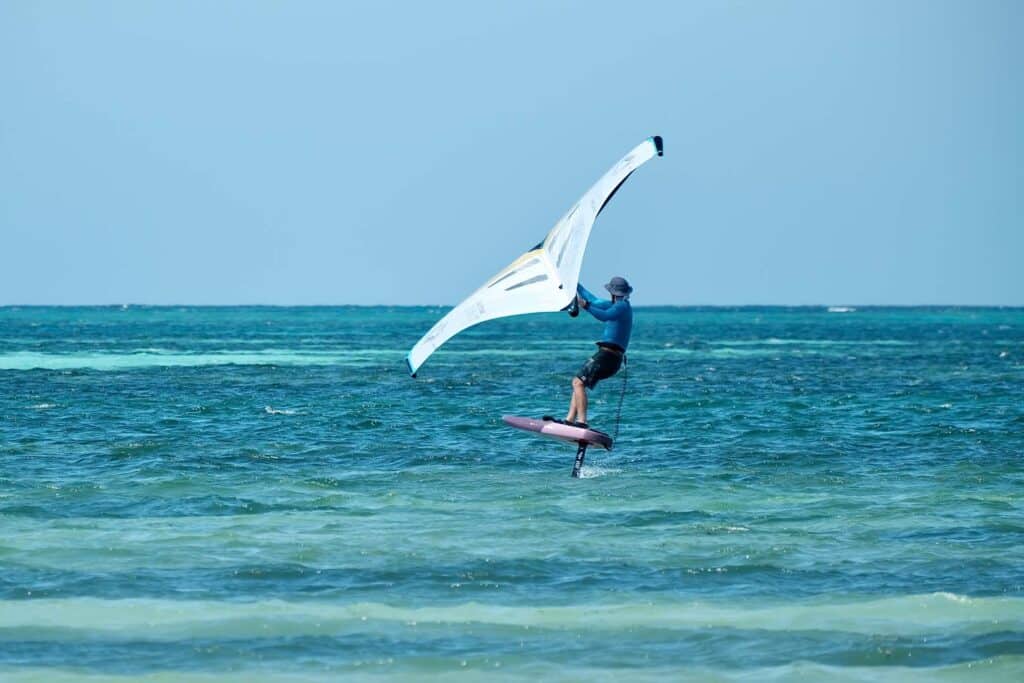
For wingfoilers and kitefoilers, this is a major advantage. It means the session does not depend only on the highest part of the tide. With the right wind and local guidance, foilers can use the deeper channel across more of the tide cycle while still enjoying the protection of the reef and lagoon.
This is one of the reasons Kiwengwa is such a versatile foil destination. The area offers shallow water for learning and a deeper route for riders who want to continue progressing when the lagoon flats are exposed.
Kiwengwa wind conditionss
Kiwengwa is shaped by Zanzibar’s seasonal trade winds. The two main wind patterns are the Kaskazi, which generally comes from the northeast between December and March, and the Kusi, which generally arrives from the southeast between July and September.
The wind is predominantly side-onshore at the Duotone Pro Center Zanzibar spot, a direction that is particularly useful for watersports. It helps riders launch and return toward the beach while providing a consistent line across the lagoon. On stronger wind days, the open reef and channels also create options for experienced riders who want to explore beyond the shallow area.
Typical windy-season conditions in the region are often around 15 to 25 knots, although actual wind strength depends on the day, season, tide and local weather. Forecasts should always be checked before a session, and the DPC Zanzibar team can help select the right equipment and area of the lagoon.
Wind windows throughout the day
The best session time can change from day to day, so there is no single hour that always works. Wind, tide and weather need to be considered together. Some days offer a useful morning session, while others build later. The changing tide may also make one part of the day better for beginners and another more suitable for foiling or freeriding.
This is where having a professional watersports center directly on the beach makes a real difference. At Duotone Pro Center Zanzibar, the team can assess the conditions, recommend the right equipment and explain how the tide is affecting the lagoon before you launch.
Instead of planning only by the clock, it is better to plan around the actual conditions. A flexible approach usually leads to better sessions, safer decisions and more enjoyment on the water.
Kitesurfing conditions
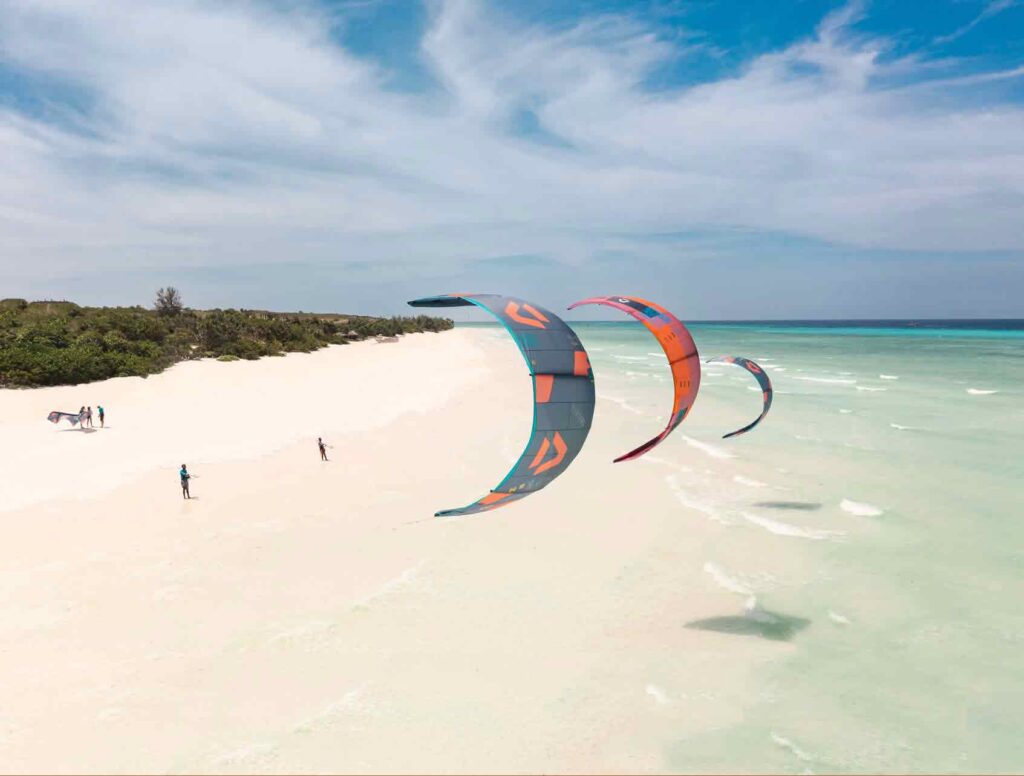
Kiwengwa is suitable for a wide range of kitesurfing levels. Beginners benefit from shallow lagoon areas and the protected reef environment, while independent riders can enjoy freeride and freestyle sessions across the lagoon.
Low tide often creates flatter water and a more controlled learning environment. Higher tide brings more depth and the possibility of exploring further toward the reef. The side-onshore wind provides a practical direction for lessons and riding, while the broad beach gives plenty of room for preparation and launching.
With Duotone equipment and professional instruction at DPC Zanzibar, riders can choose between beginner lessons, progression coaching and rentals depending on their experience.
Wingfoiling and kitefoiling conditions
Kiwengwa is particularly well suited to foiling because it offers both shallow learning zones and deeper channels. Beginners can work on wing handling, balance and board control, while experienced riders can use the channel for longer flights and transitions.
The deeper section of the lagoon is especially valuable when the tide is lower. It provides more reliable depth for the foil, while the reef continues to reduce the effect of larger ocean swell inside the lagoon.
Wingfoiling and kitefoiling are also excellent ways to make the most of lighter or moderate wind days. The right foil size and board setup can extend the range of conditions that are comfortable for each rider.
Windsurfing conditions
Windsurfers can take advantage of the long beach, open lagoon and steady trade wind environment. Beginners can start in protected shallow water, while more advanced sailors can move toward deeper areas and the reef edge as their confidence grows.
Low tide tends to offer flatter water and easy practice conditions. Around high tide, there is more room for freeride sailing and a livelier surface. The ability to choose between these different water states makes Kiwengwa appealing for both learning and longer sessions.
Why choose Duotone Pro Center Zanzibar
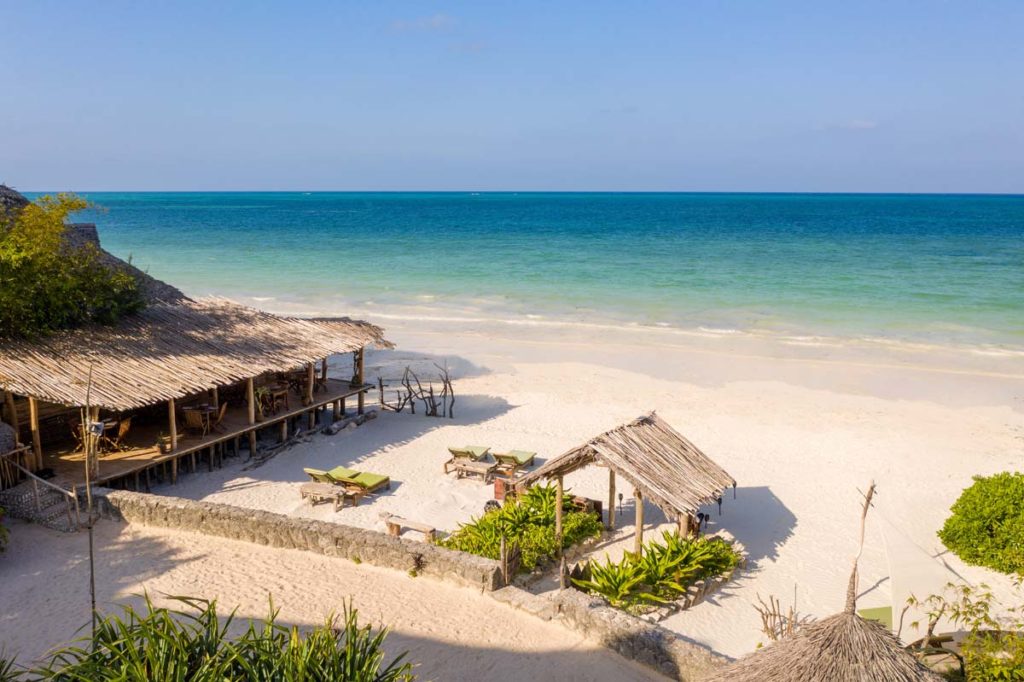
Duotone Pro Center Zanzibar is located directly on Kiwengwa Beach, placing riders at the center of the lagoon’s best conditions. The location combines beach access, shallow water, deeper channels and seasonal trade winds, making it suitable for a range of sports and abilities.
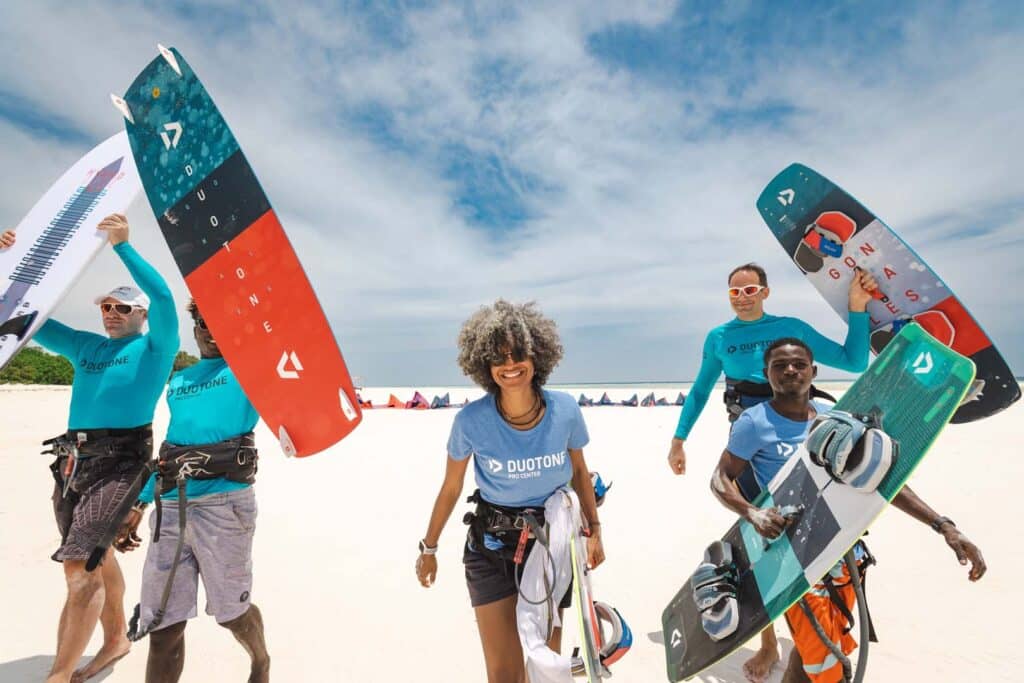
The DPC Zanzibar team can help with lessons, progression coaching and equipment rentals for kitesurfing, wingfoiling, kitefoiling, windsurfing, wave surfing, and SUP. Local knowledge is particularly important in Kiwengwa because the tide changes the usable areas of the lagoon throughout the day.
Complete your Kiwengwa stay
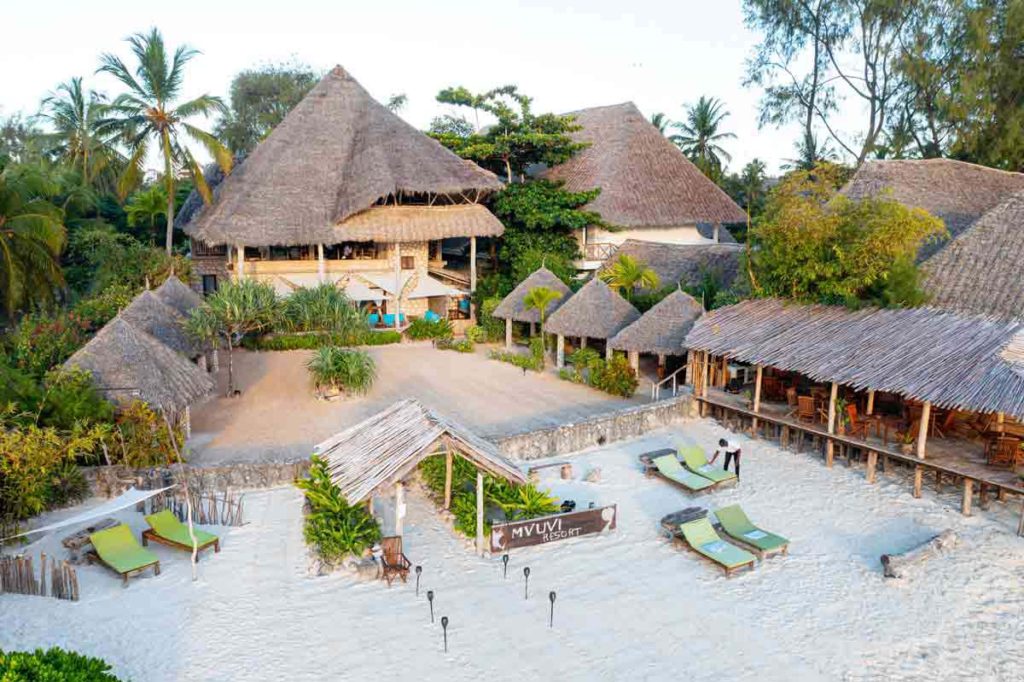
After your session at Duotone Pro Center Zanzibar, complete the experience at Mvuvi Boutique Resort. Located directly on Kiwengwa Beach, Mvuvi gives you an oceanfront base close to the lagoon, the wind and the changing tides.
It is the perfect place to return to after a day on the water, with time to relax, enjoy the coastline and experience the quieter side of Zanzibar.
Stay With Us
For an easy family stay right on the beach, Mvuvi Boutique Resort Zanzibar gives you the kind of oceanfront base that makes everything simpler, from morning beach walks to afternoon rest and family dinners by the sea. It is a natural fit for parents who want comfort, location and a calmer rhythm in Kiwengwa.
Most Popular Articles

Kiwengwa Lagoon Explained: Tides, Wind Windows and Watersports Conditions
Kiwengwa Lagoon Explained Tides, Wind Windows and Watersports Conditions August 2026 Kiwengwa lagoon is one of the reasons the
Family Holiday Zanzibar: What to Do with Kids in Kiwengwa
Family Holiday Zanzibar What to Do with Kids in Kiwengwa July 2026 Kiwengwa is an excellent choice for a

Kiwengwa vs Paje: Which Beach Is Best for Watersports?
Kiwengwa vs Paje: Which Beach Is Best for Watersports? June 2026 Kiwengwa vs Paje for Watersports | Best Zanzibar Beach