
Tanzania's Massive Wildlife Population & Parks

May 2026

Tanzania’s extraordinary wildlife scale

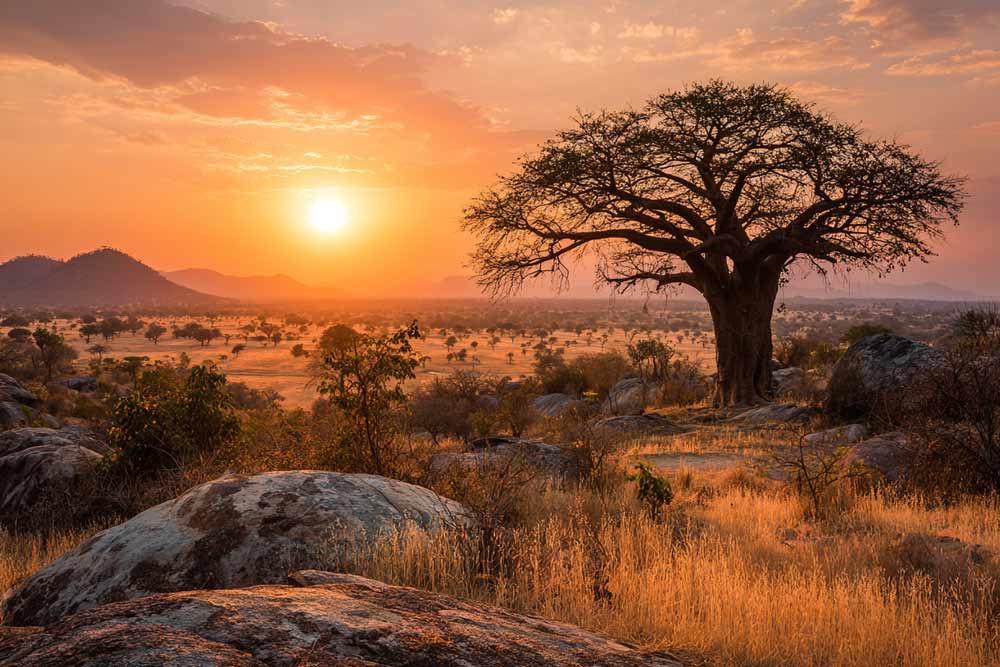
Tanzania stands out as one of Africa’s greatest wildlife destinations because it holds one of the continent’s largest and most diverse animal populations. The country is home to roughly 20% of Africa’s large mammal species across its vast protected areas, which cover nearly 39% of its land. That scale creates a safari experience that feels expansive and alive, with animals moving through ecosystems that still function as they have for centuries.

What sets Tanzania apart is not just the numbers, but how they come together. Lions, elephants, buffalo and countless other species thrive across plains, woodlands and river systems, giving travelers a sense of wilderness that few places can match. It is a country where wildlife feels abundant and connected to the land itself.


Lions and the predator story

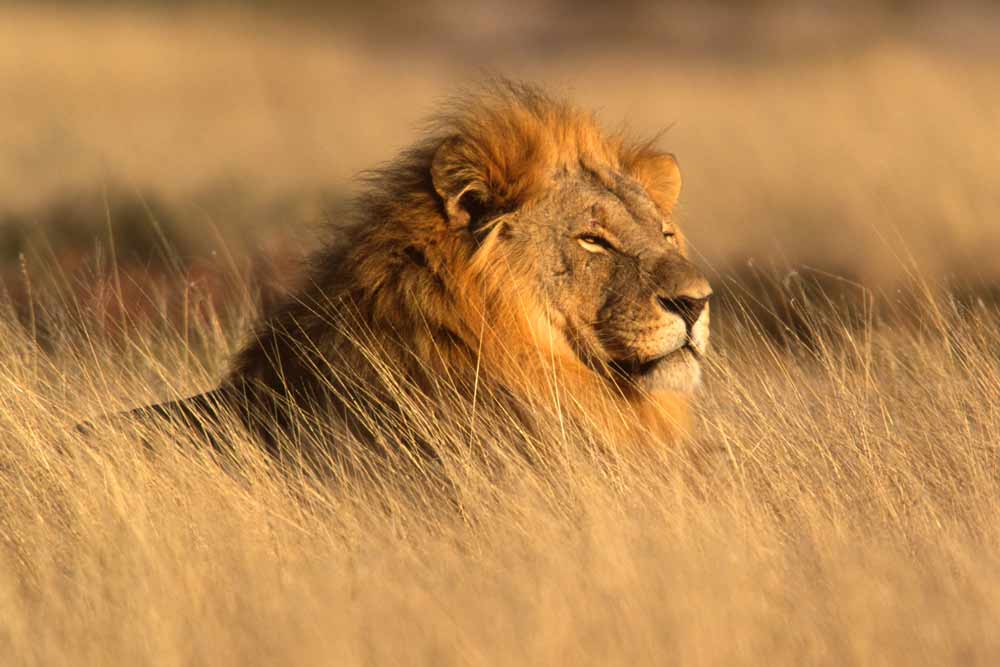
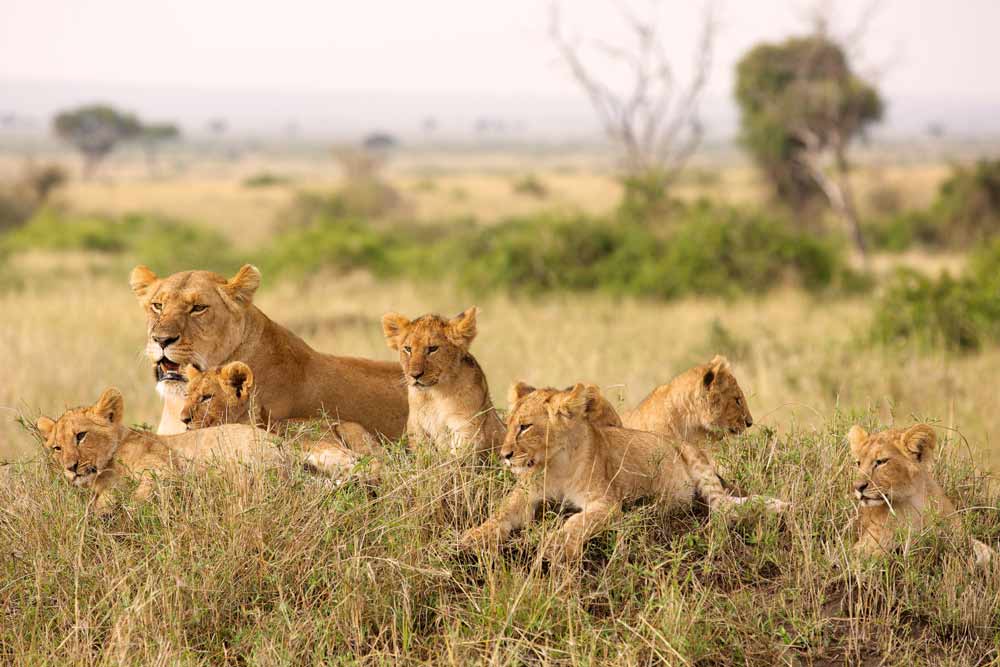
Tanzania is especially famous for its lions, and with good reason. The country is home to around 30% of Africa’s remaining lion population, making it the continent’s leader in wild lions. Those numbers are concentrated in parks like the Serengeti and Ruaha, where prides roam large territories and hunting plays out in real time.

That lion population is part of a broader predator story. Cheetahs, leopards and hyenas follow the same migration patterns and prey cycles, creating one of the most dynamic wildlife theaters anywhere. For safari travelers, seeing lions in Tanzania often means witnessing them in their element, not just as distant sightings.

 
wildlife-tanzanzia-mvuvi

Serengeti: the migration engine

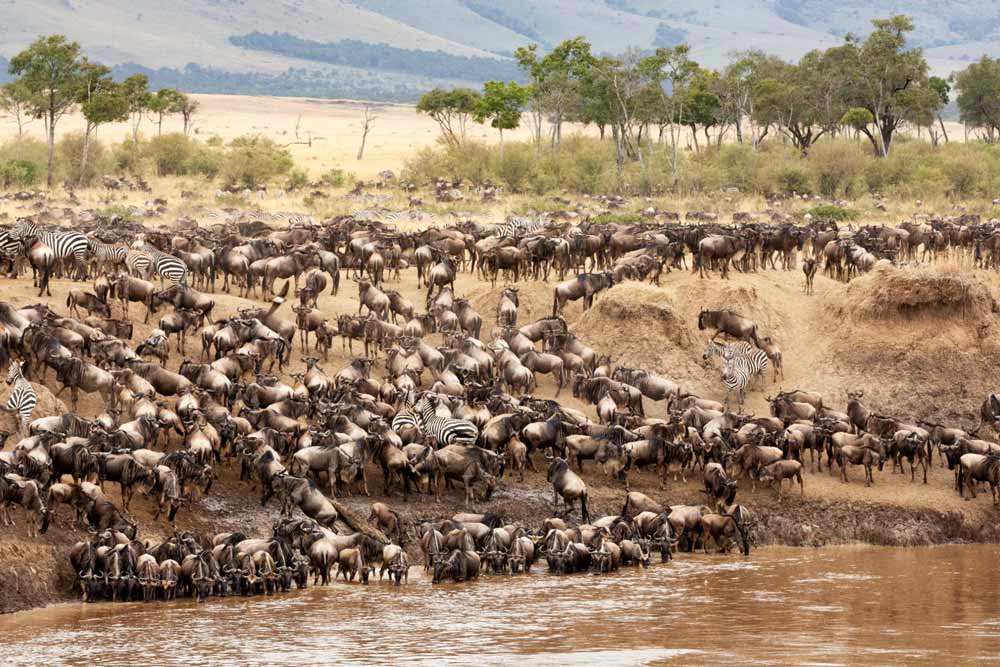
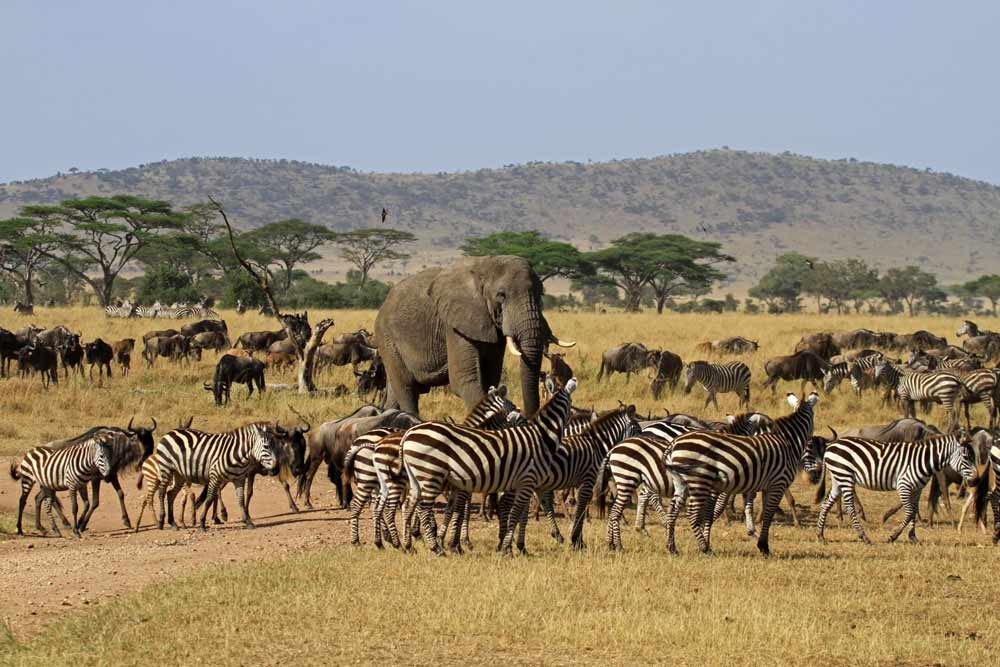
The Serengeti is the heartbeat of Tanzania’s wildlife story. It is one of the largest and most famous savannah ecosystems in the world, driven by the Great Migration of wildebeest, zebras and gazelles. That movement supports an incredible density of predators and herbivores, turning the park into a living cycle of survival.

Beyond the migration, the Serengeti holds some of Tanzania’s highest concentrations of big cats and large herds. It is the kind of place where a single game drive can reveal multiple species interacting, which is why it draws wildlife enthusiasts year after year.


serengeti-safar
serengeti-safari

Ruaha and the southern wilderness

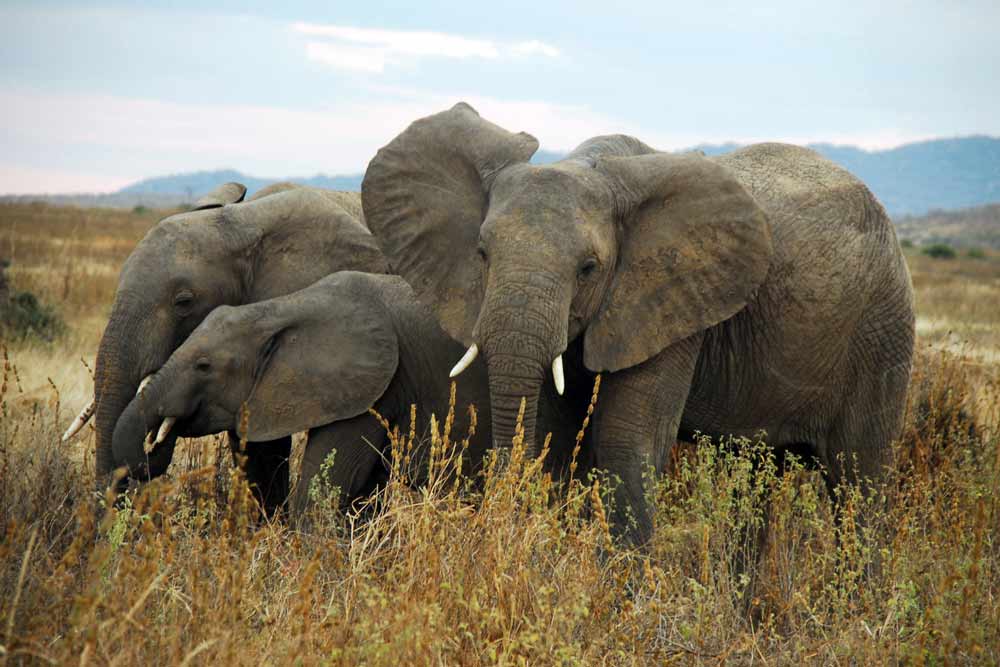
Ruaha National Park shows another side of Tanzania’s wildlife strength. It is one of the country’s largest reserves and known for its dramatic landscapes, huge elephant herds and strong lion populations. Compared to the northern circuit, Ruaha feels wilder and less visited, which makes sightings feel more exclusive.

The park’s river systems and dry bush also support unique species combinations, including some of the healthiest wild dog populations left in Africa. That variety is a reminder of how Tanzania spreads its wildlife riches across different regions and habitats.

 
ruaha-safari
ruaha-safari

Curiosities behind the numbers

Tanzania’s wildlife story has some fascinating details. The country leads Africa not just in lions, but also in buffalo numbers, with massive herds that shape the ecosystem in every park they inhabit. Elephants remain abundant too, especially in southern reserves where they move through open miombo woodlands.
Another curiosity is the sheer number of bird species, with over 1,100 recorded across the country. That adds a layer of color and sound to the safari that often surprises first-time visitors. Tanzania also protects about 38% of its land for conservation, which helps explain why its wildlife populations have held strong compared to more fragmented regions.
The country’s geography plays a role too. From volcanic craters in the north to riverine forests in the south, each landscape supports different species and behaviors. That natural diversity means no two parks feel the same, even within the same trip.

Zanzibar completes the journey

After the intensity of a Tanzania safari, Zanzibar offers the perfect counterpoint. The island’s white beaches, clear water and relaxed pace give travelers time to unwind while still feeling connected to the country’s beauty. It is a natural transition from dust and wildlife to sea air and sunset.

That combination is what makes Tanzania so appealing for a full holiday. You get one of Africa’s richest wildlife experiences, then the calm of an island escape. For many visitors, especially those staying on the east coast in Kiwengwa, it creates a journey that feels complete from start to finish.

 
On Trend

Most Popular Articles

Reserve YOUR TABLE

Reserve YOUR TABLE